






Bangladesh’s climate—characterized by monsoons, seasonal flooding, and temperature extremes—has traditionally limited agricultural productivity and diversity. However, greenhouse farming with smart automation is revolutionizing what Bangladeshi farmers can grow and achieve. From vegetables to high-value crops, climate-controlled greenhouses enable year-round cultivation, premium yields, and environmental resilience.
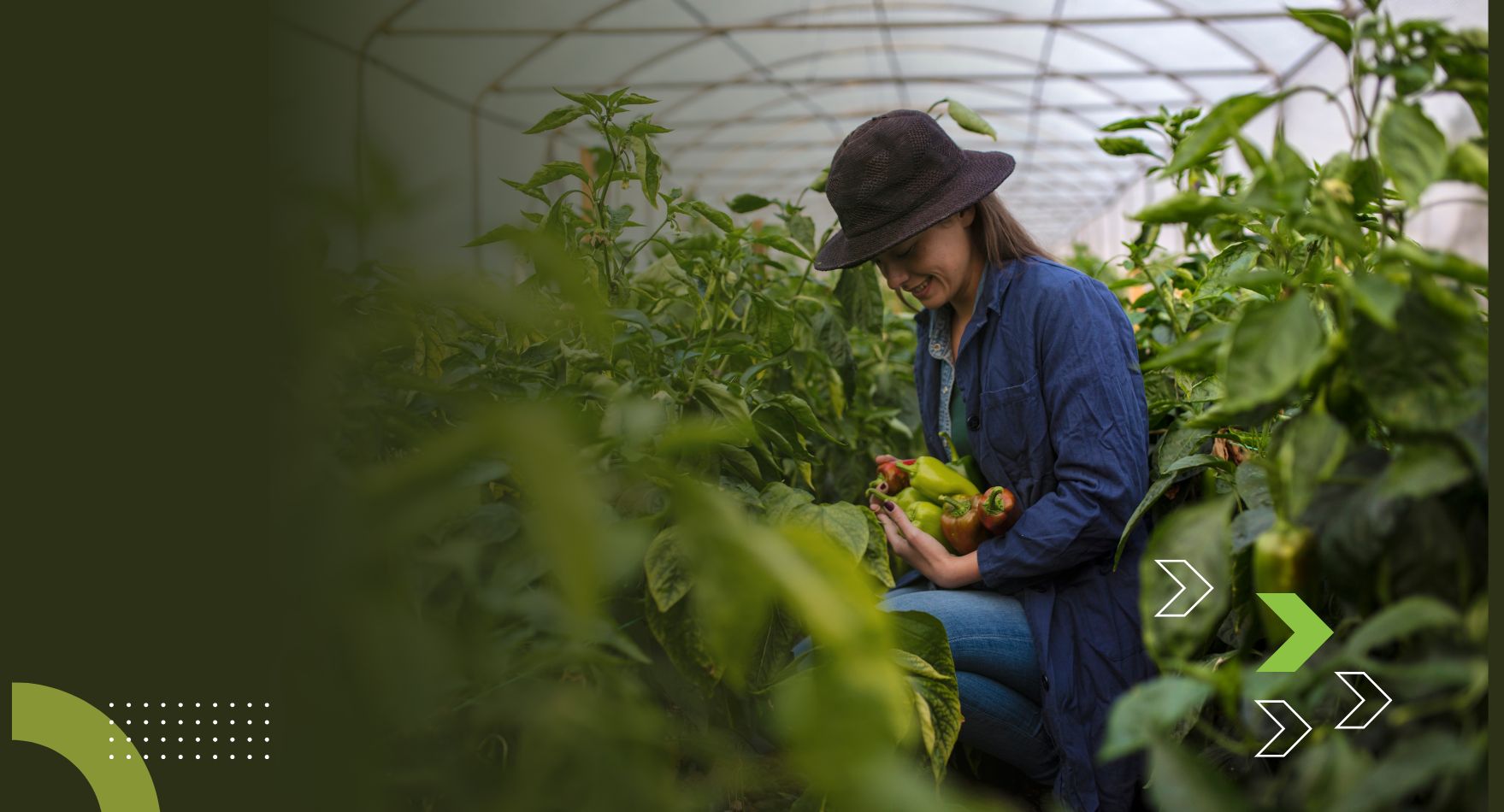
Why Greenhouse Farming Matters in Bangladesh
Traditional Challenges
Bangladesh’s seasonal agriculture leaves farmers vulnerable to:
- Monsoon flooding that destroys crops and contaminates soil
- Extreme heat and cold stress limiting growing seasons
- Unpredictable rainfall leading to drought or waterlogging
- Limited crop diversity due to climatic constraints
Greenhouse Advantages
Modern greenhouses overcome these barriers:
- Year-round cultivation independent of weather
- 3–4x higher yields per unit of land
- Reduced water usage through efficient irrigation
- Controlled pest and disease management
- Access to premium export markets demanding consistent quality
The Evolution: From Basic to Smart Greenhouses
Traditional Greenhouses (Passive)
Simple plastic-covered structures provide basic protection but require constant manual monitoring and adjustment—labor-intensive and inefficient.
Smart Greenhouses (AI-Powered)
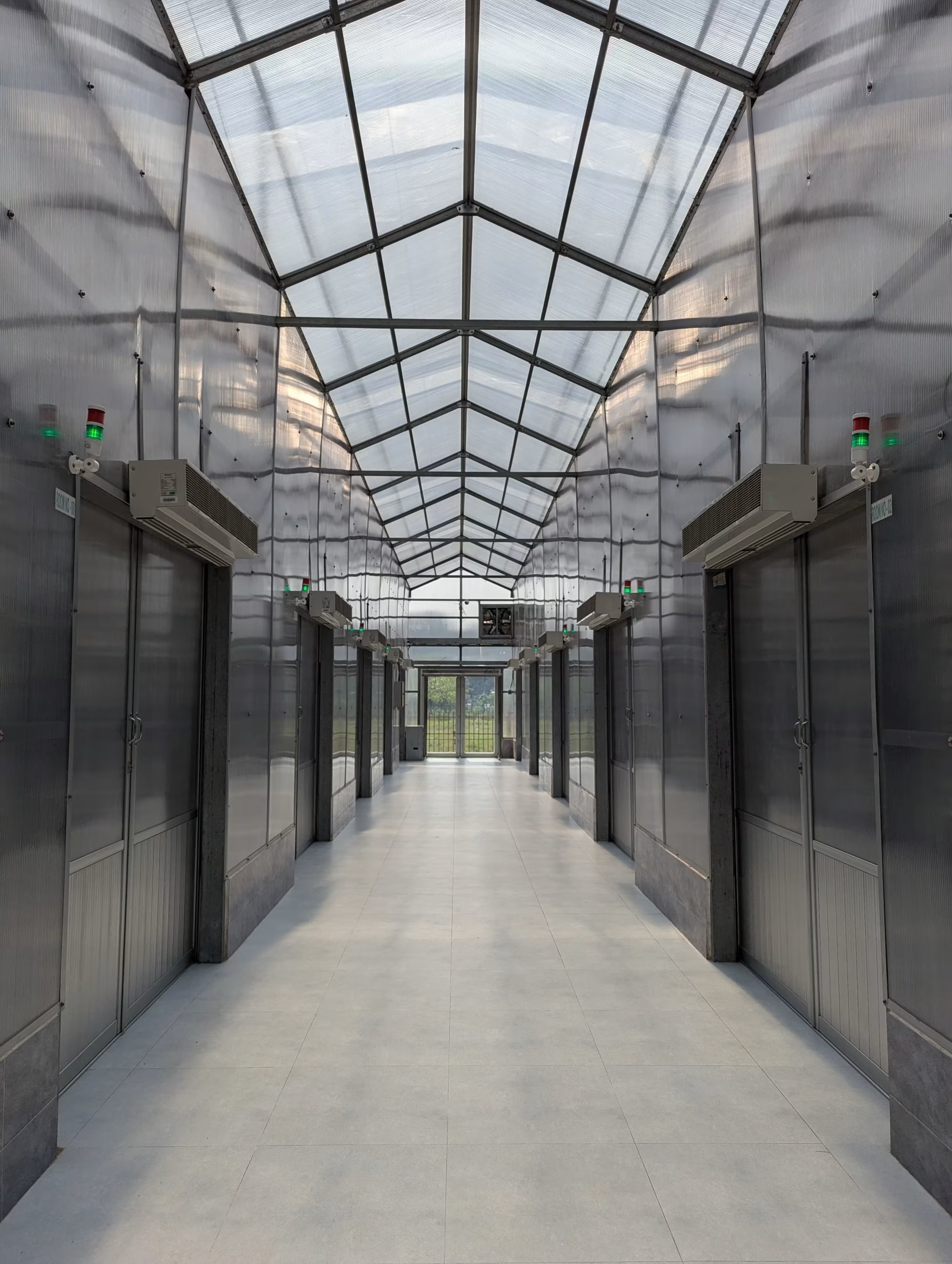
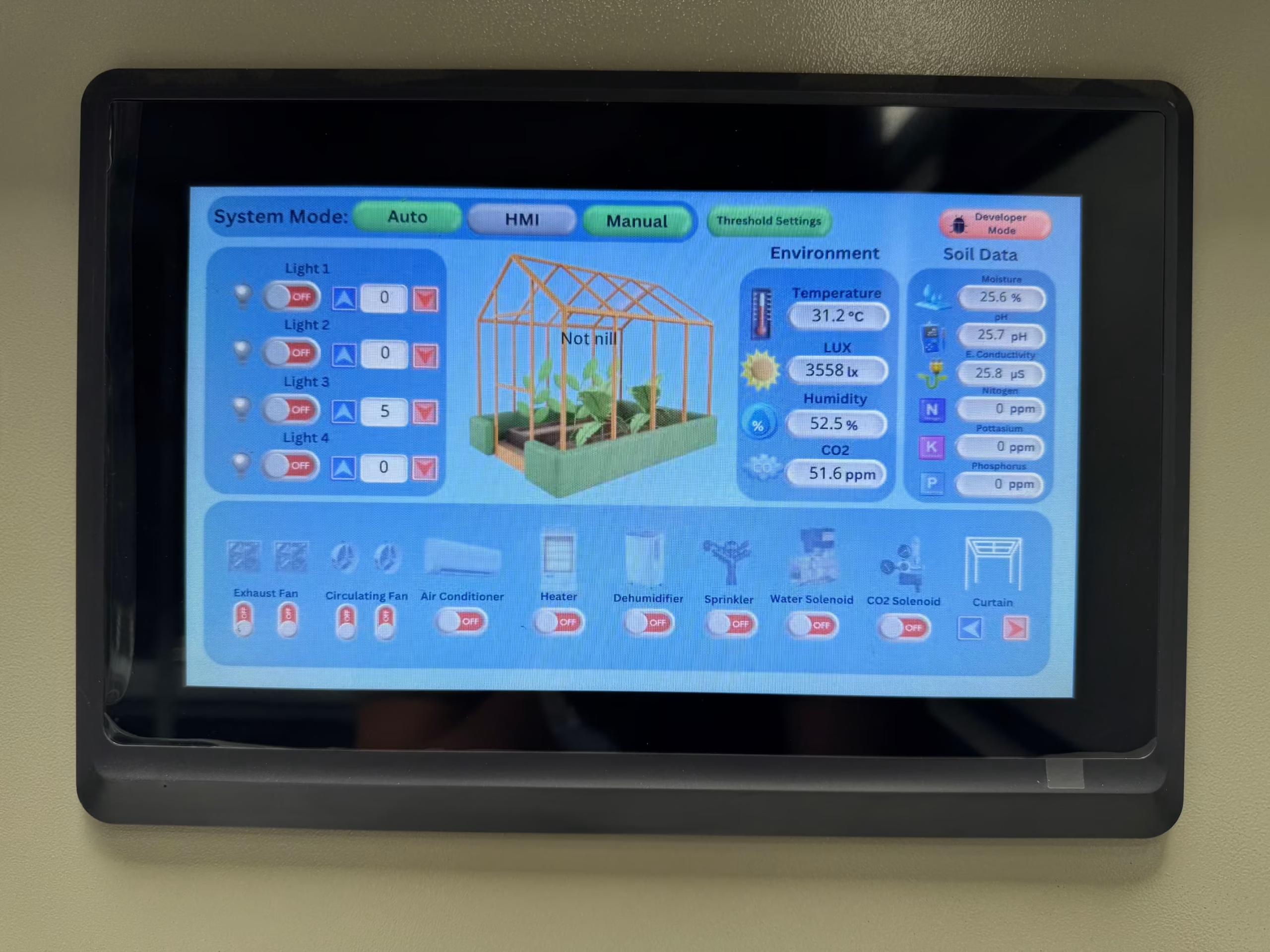
Automated systems monitor temperature, humidity, light, and soil conditions in real-time, making precise adjustments for optimal growth—maximizing yields while minimizing resource waste.
Key Features of Smart Greenhouse Systems
Climate Automation
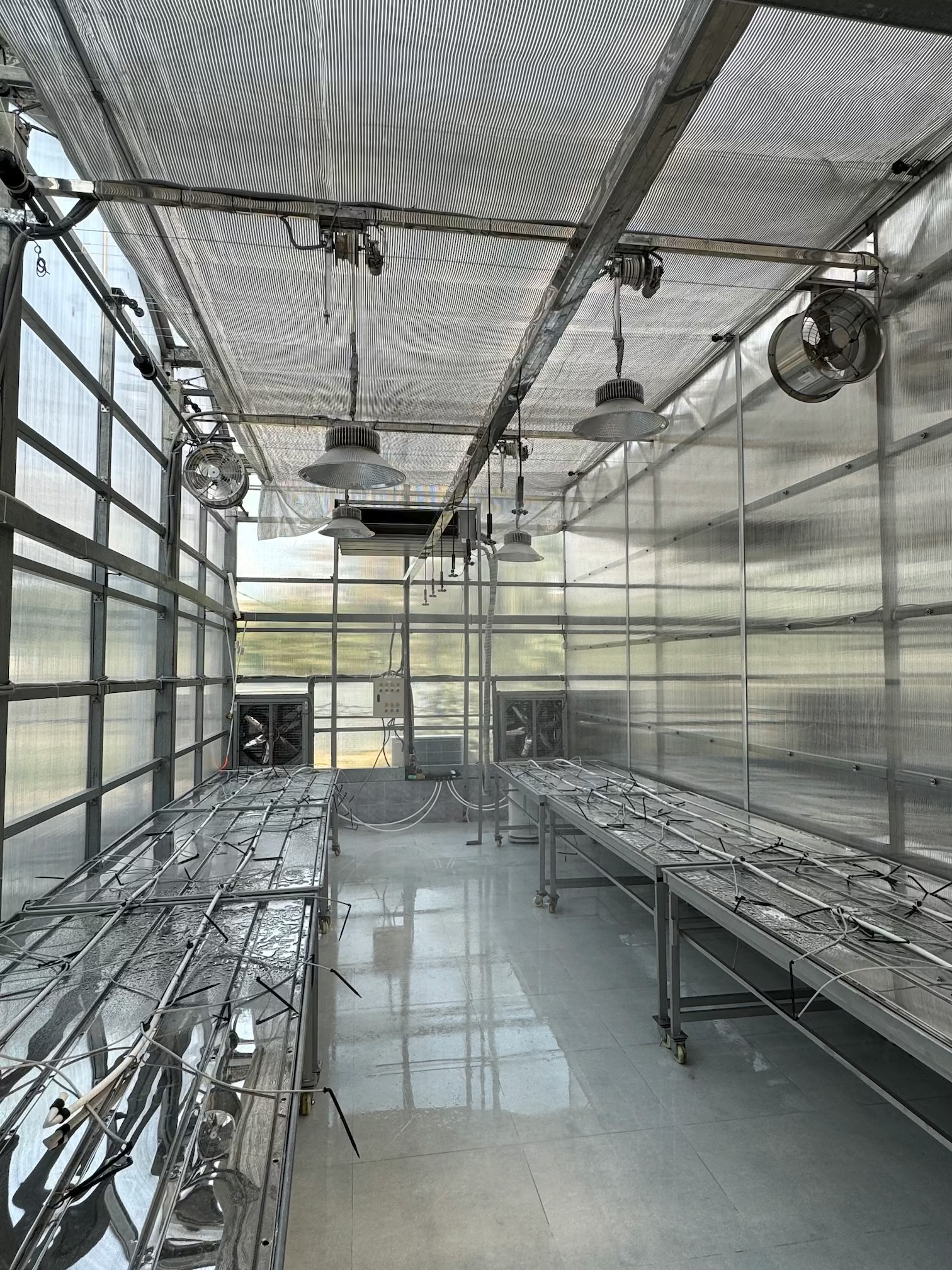
Sensors monitor temperature and humidity; automated vents, fans, and cooling systems maintain ideal conditions for crop growth.
Precision Irrigation
Soil moisture sensors trigger irrigation only when needed—saving 30–50% of water versus manual systems.
Light Management
Automated lighting extends growing seasons, boosts photosynthesis, and enables off-season cultivation of light-demanding crops.
Nutrient Delivery
Automated hydroponic or drip systems deliver exact nutrient amounts—optimizing growth and quality.
Data Analytics
Real-time dashboards and historical data identify trends, predict optimal harvest times, and guide continuous improvements.
Real Success Stories: Greenhouses Transforming Bangladesh
Tomato Producer in Narayanganj
A farmer transitioning from open-field to automated greenhouse increased tomato yields by 250% while cutting water usage in half—tripling profitability within 18 months.
High-Value Crop Pioneer in Bogra
A cooperative growing specialty crops in climate-controlled greenhouses now exports to premium international markets—commanding 5x open-field prices.
Off-Season Vegetable Grower
A farmer using smart greenhouses now supplies fresh vegetables year-round to Dhaka’s restaurants and markets—ensuring steady income and buyer loyalty.
Cost-Benefit Analysis: Is It Worth the Investment?
| Factor | Traditional Open-Field | Smart Greenhouse |
|---|---|---|
| Initial Investment | BDT 2–5 lakh/acre | BDT 10–15 lakh/acre |
| Annual Operating Cost | BDT 3–5 lakh | BDT 4–6 lakh |
| Yield (tomatoes/year) | 20–25 tons/acre | 60–80 tons/acre |
| Annual Revenue | BDT 8–12 lakh | BDT 24–40 lakh |
| Payback Period | N/A | 18–24 months |
** This is an estimated / appox. calculation. Amount may vary
Conclusion: Smart greenhouses achieve ROI within 2 years—then deliver sustained profitability.
Government Support & Incentives
Bangladesh’s government recognizes greenhouse farming’s potential:
- Subsidies: Up to 40% subsidy for greenhouse construction in some regions
- Training Programs: Free technical training through agricultural extension services
- Export Support: Preferential treatment for certified sustainable greenhouse produce
Step-by-Step Implementation Guide
Step 1: Site Selection (Week 1–2)
Choose land with good drainage, adequate water access, and proximity to markets.
Step 2: Design & Planning (Week 3–4)
Work with experts to design structures suited to your crops, budget, and local conditions.
Step 3: Construction (Month 2–3)
Build greenhouse structures with quality materials and professional installation.
Step 4: System Installation (Month 4)
Install automation systems, sensors, and data dashboards; connect to power and water.
Step 5: Training & Launch (Month 5)
Train your team on system operation, crop management, and data interpretation.
Step 6: Optimization (Ongoing)
Monitor data, adjust practices, and refine operations for maximum yield and efficiency.
Overcoming Common Challenges
Challenge: High initial investment
Solution: Phased approach—build one greenhouse, prove ROI, then expand.
Challenge: Technical expertise
Solution: Partner with local experts; ensure comprehensive training and support.
Challenge: Market access
Solution: Connect with buyers early; develop relationships before production ramps up.
The Future of Bangladeshi Agriculture
Smart greenhouses represent the future of Bangladesh’s agriculture—enabling food security, farmer prosperity, and environmental sustainability. As technology becomes more affordable and accessible, adoption will accelerate across the country.
Greenhouse farming with smart automation is no longer a luxury for Bangladesh—it’s a practical, profitable solution to climate challenges and market demands. Early adopters are already reaping substantial rewards. The question isn’t whether to invest, but when to start.
Ready to build your smart greenhouse? Contact Neum Technologies for design, planning, and implementation support today.