








Bangladesh’s Ready-Made Garment (RMG) industry is the backbone of the nation’s economy, employing over 4 million workers and generating substantial export revenue. However, as global buyers increasingly demand sustainability and ethical production, RMG factories face mounting pressure to demonstrate environmental responsibility and workplace safety. Energy efficiency and green certifications have become competitive necessities—and automation technology is the key to achieving them.

The Challenge: RMG Factories and Sustainability Pressure
While Bangladesh’s garment sector is highly productive, it faces significant sustainability challenges:
- Energy Intensity: Factories consume massive amounts of electricity for production lines, air conditioning, and lighting—driving operational costs and carbon footprints.
- Environmental Compliance: International buyers require certifications like LEED, BREEAM, and Bangladesh Accord compliance—demanding rigorous data on energy, emissions, and workplace conditions.
- Manual Data Collection: Without automation, tracking environmental metrics is time-consuming, error-prone, and inadequate for certification audits.
- Worker Welfare: Poor working conditions—inadequate ventilation, temperature control, air quality—undermine both worker health and brand reputation.
The Solution: Smart Factory Automation for Energy & Environment
Automated energy monitoring and environmental data collection systems enable factories to meet global standards while optimizing operations:
Real-Time Energy Consumption Tracking
IoT sensors on machines, HVAC systems, and lighting provide granular energy data—identifying inefficiencies and wasteful practices instantly.
Environmental Parameter Monitoring
Sensors continuously measure air quality, temperature, humidity, and noise levels—ensuring safe, compliant working conditions.
Automated Reporting & Compliance
Systems generate standardized reports for certifications and buyer audits—reducing administrative burden and ensuring accuracy.
Predictive Maintenance
Early fault detection prevents equipment breakdowns, reducing downtime and unplanned energy spikes.
Real Impact: Factory Success Stories
Factory in Dhaka:
After implementing automated energy monitoring, one mid-sized garment factory reduced electricity consumption by 18%—saving BDT 40+ lakhs annually—while achieving LEED Gold certification.
Factory in Chittagong:
Enhanced environmental controls and automated compliance reporting enabled certification within 6 months, unlocking new contracts with major international brands.
Why Green Certifications Matter for RMG
Market Access: Leading global brands increasingly source only from certified suppliers—green credentials directly impact order volume and pricing.
Cost Reduction: Energy efficiency lowers operational costs; predictive maintenance minimizes downtime and waste.
Worker Wellbeing: Better working conditions reduce turnover, boost productivity, and enhance brand reputation.
Regulatory Compliance: Bangladesh is tightening environmental standards; early adoption of smart solutions ensures future-proofing.
Key Certifications RMG Factories Should Target
| Certification | Focus | Benefit |
|---|---|---|
| LEED | Energy efficiency & sustainability | Attracts premium buyers; increases brand value |
| BREEAM | Environmental management | Demonstrates global best practices |
| Bangladesh Accord | Worker safety & conditions | Required by major international partners |
| ISO 50001 | Energy management | Systematic efficiency improvements |
Implementation Roadmap
Phase 1: Baseline Assessment (2–4 weeks)
Audit current energy use, identify inefficiencies, and establish sustainability goals.
Phase 2: Technology Deployment (4–8 weeks)
Install sensors, dashboards, and analytics platforms; integrate with existing systems.
Phase 3: Staff Training (1–2 weeks)
Equip teams to use data for operational decisions and continuous improvement.
Phase 4: Certification & Optimization (Ongoing)
Generate compliance reports, pursue certifications, and refine practices based on insights.
The ROI: Why Investment Pays Off
- Immediate savings: 15–25% reduction in energy costs within first year.
- Certification premium: Green-certified factories command 5–10% higher orders and pricing.
- Risk mitigation: Compliance readiness prevents costly audits and order cancellations.
- Worker satisfaction: Better workplace conditions reduce turnover and improve productivity.
The Future of Bangladesh’s RMG Sector
As global sustainability standards tighten, RMG factories that adopt smart automation today will lead tomorrow’s industry. Energy efficiency and environmental compliance are no longer optional—they’re essential for survival and growth.
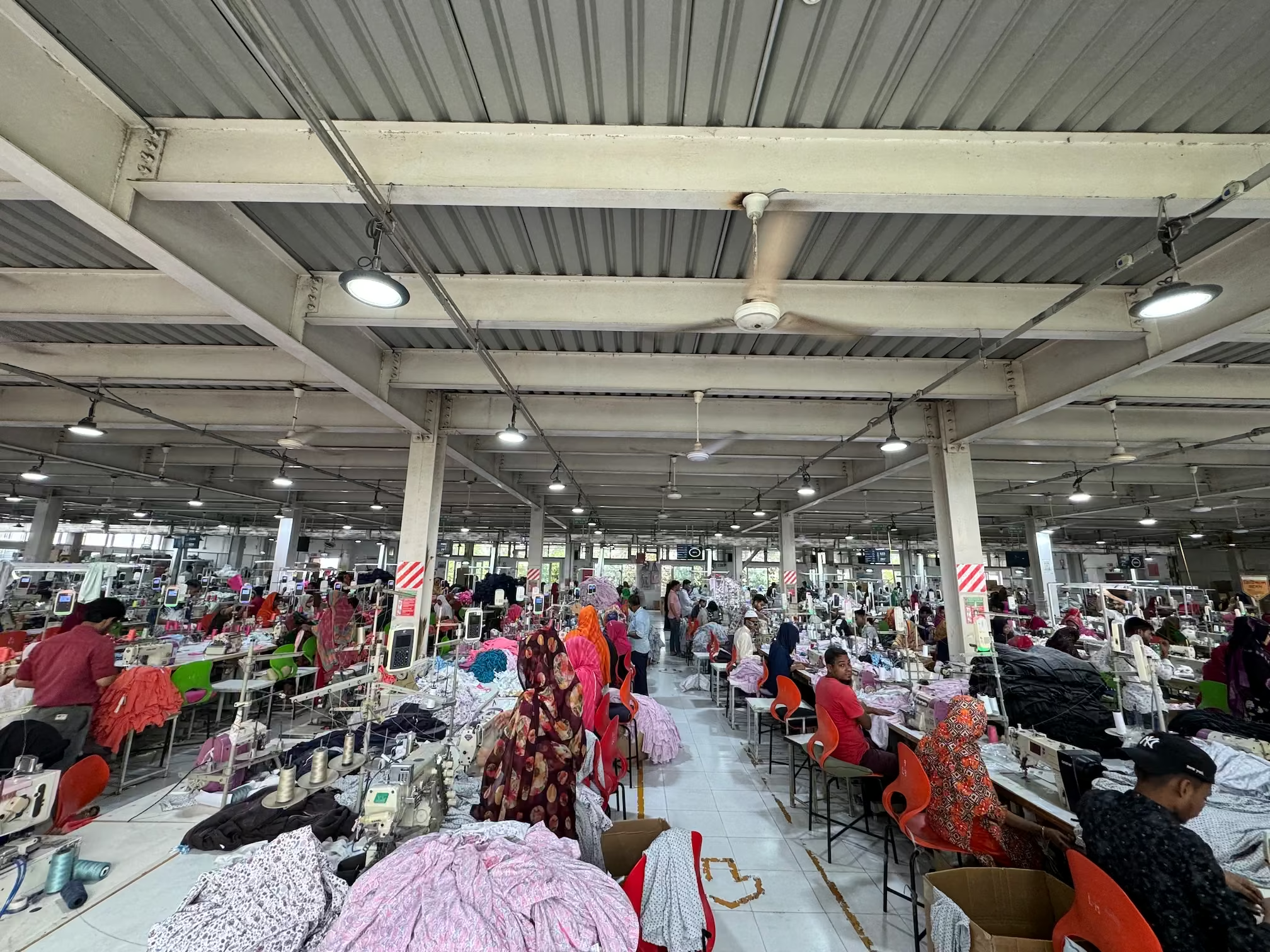

For Bangladesh’s RMG sector, automated energy monitoring and environmental management represent a strategic investment—not just in sustainability, but in competitive advantage, worker wellbeing, and long-term profitability. The time to act is now.
Ready to certify and optimize your factory? Contact Neum Technologies for a comprehensive energy and environmental automation consultation.